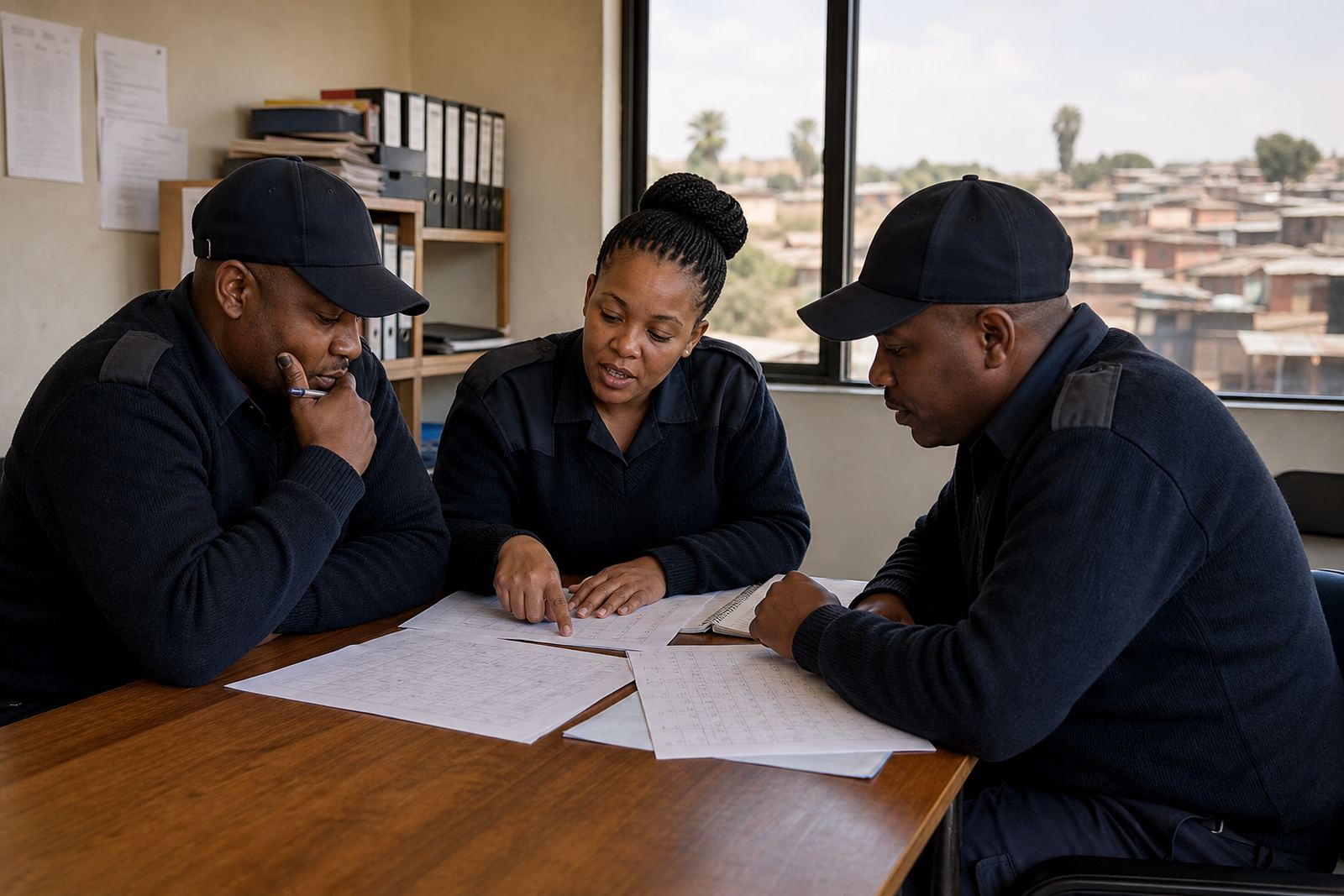


Hospitality Roster Brief for a Busy Polokwane Week
The brief came from a hospitality team in Polokwane that was balancing front-of-house cover, kitchen support and weekend demand across a mixed workforce. The team wanted one practical place to plan shifts, share updates and keep everyone aligned before service started, rather than sending changes by message thread and hoping everyone saw the same version. Their main focus was weekly planning, with enough flexibility for early starts, split duties and late finishes when trade was stronger.
They also wanted the roster process to sit within basic South African labour requirements, including the Basic Conditions of Employment Act in general terms. We did not give legal advice, but we kept the process mindful of rest periods, clear working hours and consistent shift records. That mattered because hospitality teams often work around public holidays, busy weekends and last-minute cover requests, and a loose process can create confusion fast.
Key facts for the project included a Polokwane-based service team, weekly roster cycles, weekday and weekend coverage, and a need for quick team communication. The team also wanted a process that managers could maintain without extra admin time after a long shift. In Polokwane, where trade patterns can change from one week to the next, the roster needed to be easy to read at a glance and simple to update when someone was sick or running late.
What Had to Be Solved Before Go Live
The main challenge was not just making a roster, it was reducing the back-and-forth that happens when a team relies on phone calls and scattered messages. Managers needed to know who was on duty, who had swapped, and who still needed approval. Staff needed a clear view of their own shifts, plus a way to ask for changes without creating confusion for the whole group.
There were also practical limits from the site itself. Hospitality work in Polokwane can include early prep, lunch service, evening clean-down and weekend spikes, so shifts had to be arranged around real trading hours rather than a fixed office pattern. Some staff members were more available on certain days, while others preferred set times because of transport or family commitments. The roster had to handle that without becoming messy.
- Weekly scheduling with weekday and weekend rotation
- Shift swap requests handled through a clear approval process
- Team messaging for updates, reminders and late changes
- Activity planning for briefings, team check-ins and service prep
- Roster layout that supported simple labour compliance checks
We also had to keep the setup practical for a team that did not want a lot of training time. The aim was to get the right people on the right shifts, with less admin and fewer missed messages, not to add another complicated system for supervisors to manage after closing time.
Setup Work Done for the Polokwane Team
We handled account setup, roster template setup and the first round of team import help so the managers could start from a clean structure. The weekly schedule was arranged around the team’s existing shift patterns, with separate attention given to weekday and weekend cover. That made it easier to plan ahead for busier trading days without overloading quieter ones.
Manager training covered how to build a roster, confirm shift swaps and post messages to the team. Staff training focused on how to view shifts, check updates and request changes in the correct way. We also helped align the process with the team’s internal policy rules so that approval steps were clear and consistent. No one wanted a situation where a swap was agreed informally and then missed on the final roster.
For communication, we set up the message flow so short notices could be shared quickly, such as a change in arrival time, a reminder for a briefing, or a note about a busy Friday service. We also helped with activity planning for short team sessions, including weekly prep meetings and shift handovers. That was important because hospitality teams often need more than a roster, they need a simple way to keep everyone on the same page before service starts.
- Account setup completed with manager access and staff access
- Roster template setup tailored to hospitality trading hours
- Policy alignment for swap approval and working-hour checks
- Message setup for roster notes and urgent updates
- Activity planning help for weekly team coordination
Rollout Timeline and Working Rhythm
The rollout took 4 weeks from first setup to go live support. Week 1 focused on the roster structure, team list and working patterns. Week 2 covered template setup, manager training and the first full draft of the weekly plan. Week 3 was used for staff training, message testing and swap process checks. Week 4 handled go live support and the first round of check-ins while the team worked through a real week of shifts.
This pace worked well because hospitality teams cannot pause trading while a new process is introduced. The rollout needed to fit around service times, stock takes and weekend planning. We kept the sessions short and practical, with enough time for questions but not so much that managers lost half a day to admin. That was especially useful for a team that needed to move between weekday planning and weekend cover without losing track of who was doing what.
One of the useful parts of the rollout was that it gave the team a consistent rhythm. Managers could prepare the roster in advance, staff could check their shifts early, and changes were handled in one place instead of being repeated across different conversations. Small thing, but it saved a lot of time over the week.
What Changed After the First Few Weeks
Once the roster process settled in, the team had a clearer weekly view of staffing needs. Managers could balance weekday and weekend shifts more confidently, while staff had a better sense of when they were working and when they were off. That reduced confusion around late changes and helped with smoother handovers at the start and end of shifts.
The team also handled swap requests more consistently. Instead of informal messages that could be missed, swaps followed a clearer process with visible approval steps. That made it easier to keep the roster accurate and reduced the risk of two people arriving for the same shift or no one arriving at all. It also gave the managers a better record of changes if they needed to check back later.
From a service point of view, the biggest gain was steadier coverage. When the right people were placed on the right shifts, the team could prepare for busy periods with less scrambling. In hospitality, that matters because even a small staffing gap can affect waiting times, floor service and the tone of the whole day.
- Clearer weekly coverage across busy and quieter days
- Fewer missed messages about shift changes
- Better handling of weekend staffing demands
- More predictable handovers between shifts
What We Would Repeat for Another Hospitality Site
If we were rolling this out again for another hospitality team, we would use the same practical approach. Start with the actual trading pattern, not a generic schedule. Build the roster around weekday and weekend demand. Keep the swap process simple. Make sure managers and staff know exactly where to look for updates. That is the part that saves time once the week gets busy.
We would also repeat the early policy alignment step so the roster process reflects the business rules from the start. For a hospitality team, that includes rest time, shift length and approval steps in general terms, plus enough structure for supervisors to manage changes without losing control of the week. If the site has load-shedding, early deliveries or coastal humidity issues that affect opening prep, those can be built into the activity plan too, though every site will have its own routine.
For this Polokwane project, the result was a roster process that felt manageable instead of stressful. That is the aim every time. A team that can see the week clearly is usually a team that works better together, especially when service gets busy and plans need to change quickly.
Key facts
| Project type | Hospitality team roster and coordination rollout |
|---|---|
| Town | Polokwane |
| Rollout duration | 4 weeks |
| Core functions | Scheduling, shift swaps, messaging and team activities |
| Support included | Account setup, template setup, training and go live support |
| Compliance note | Roster structure checked in general terms against BCEA basics |