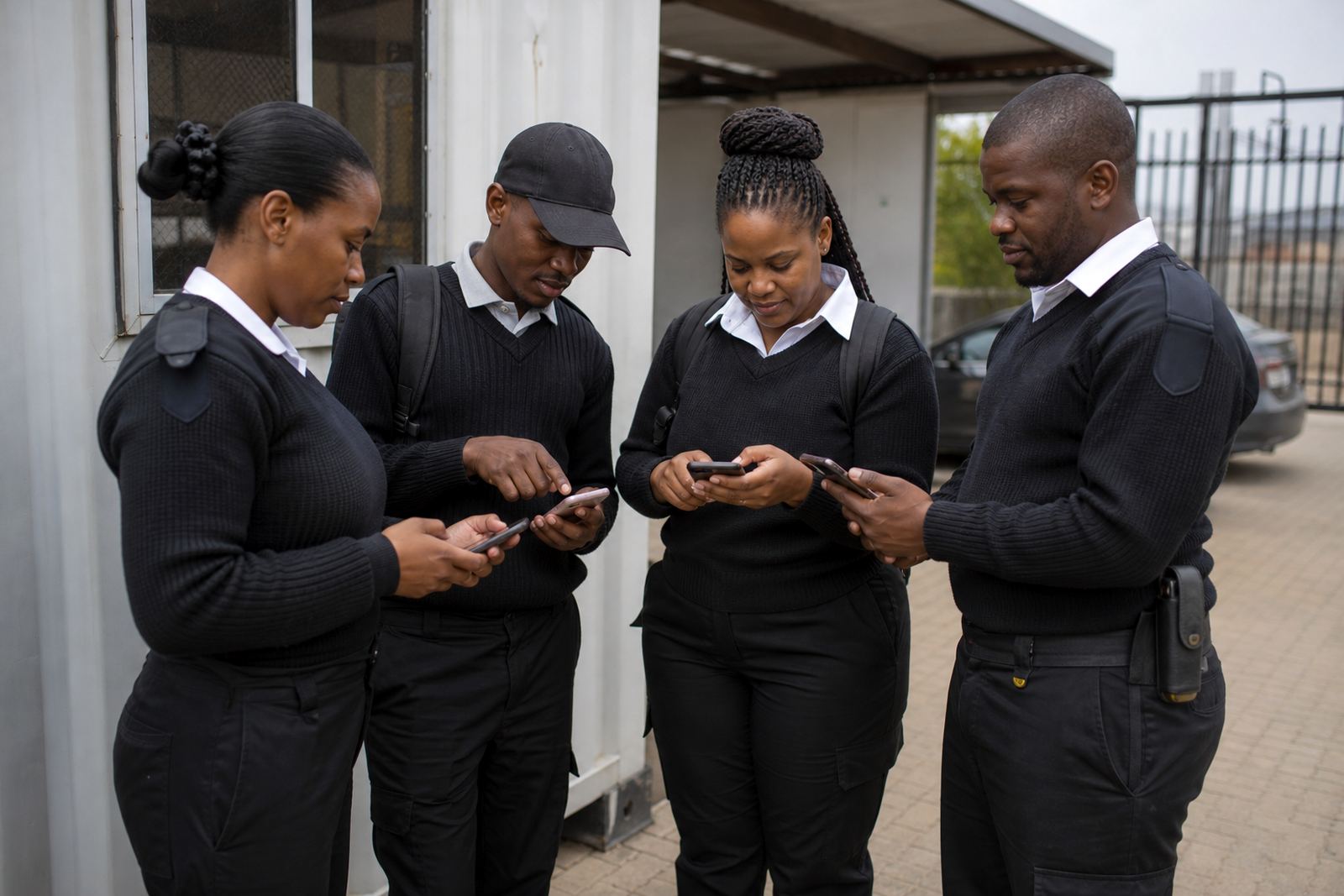


Hospitality Roster Needs in Sandton
This project came from a busy hospitality operation in Sandton, Johannesburg where service periods could change quickly and managers were spending too much time sorting out shift changes by hand. The team needed a practical way to manage rosters, handle swap requests and keep staff informed when trading hours, functions or weekend pressure changed the plan.
The brief was straightforward. Keep the process simple for managers and staff, reduce the back and forth over shift changes, and make sure the roster flow stayed practical for a live hospitality setting. The client also wanted the way shifts were handled to sit in line with the Basic Conditions of Employment Act in general terms, without turning the process into a legal exercise.
- Client type: hospitality team in Sandton
- Location: Johannesburg, with multi site team use in South Africa
- Main needs: scheduling, shift swaps, messaging and team activities
- Working constraint: busy service periods and late roster changes
What Was Getting in the Way
Before the new process was put in place, roster changes were being tracked across calls, messages and separate notes. That made it harder for supervisors to see who was available, who had already agreed to a swap, and which updates had reached the full team. In hospitality, where a missing waiter, bar person or kitchen hand can affect the whole shift, delays like that create avoidable pressure.
There was also a need for consistency. Managers wanted one clear method for posting shifts, recording swap requests and sending team messages so staff had the same process each week. They did not want anything overcomplicated, especially where weekend trading, public holidays and function bookings could change the roster at short notice.
- Too many changes were being handled manually
- Shift swaps were not always visible to the full management team
- Staff messages were scattered across different channels
- The roster needed to stay practical for after hours updates
How We Set Up the Team Process
We set up the account, helped bring the team details into the system and worked through a roster template setup that suited a hospitality environment. The focus was on making the schedule easy to read, simple to update and quick to communicate. We also helped align the process with the way the business wanted to manage working hours, shift changes and approvals in general terms.
From there, we assisted with manager training and staff training so the team could use the same steps every time. That covered roster publishing, message setup, team activities and the basic swap process. We also helped with site rollout, so the client could introduce the system in stages rather than pushing it out all at once. The team was based in Rosebank, Johannesburg and supported the client during setup and go live from there.
- Account setup and team import help
- Roster template setup for hospitality shifts
- Manager training and staff training
- Swap process help and message setup
- Site rollout, go live support and ongoing check ins
Timeline and Rollout in Weeks
The project ran over 4 weeks from first setup to steady use. Week 1 focused on account setup, team importing and checking the roster structure. Week 2 covered manager training and the first draft templates. Week 3 was used for staff training, message setup and testing the swap process. Week 4 was the go live period, with follow up support while the team settled into the new routine.
That timeline worked because hospitality teams need time to build confidence before peak trading hours expose any gaps. We did not rush the handover. Instead, we kept the rollout measured so managers could check the roster flow, make changes if needed and get staff comfortable with the update before the busiest shifts came through.
- Week 1: setup and team import
- Week 2: roster template preparation
- Week 3: training and process testing
- Week 4: go live and support
Results During Busy Service Periods
Once the new process was in daily use, shift changes became easier to handle during the busy service periods that hospitality teams know well. Managers could get updates out faster, staff had one clear place to look for their shifts and swap requests were easier to track. That reduced confusion and cut down on the repeated messages that used to take time away from floor control.
The client also found it easier to plan around service pressure, function bookings and weekend peaks. Because the roster process was clearer, they could move people where needed and keep communication tighter. The result was not just better administration, but a steadier feel across the team when trading got heavy and changes had to happen quickly.
- Fewer manual follow ups on shift changes
- Clearer communication to staff before service periods
- Better visibility on swap requests
- More practical roster handling for busy trading times
What We Would Do Again
For another Sandton hospitality team, we would take the same approach again. Start with the roster structure, keep the swap process simple, and make sure managers and staff are trained before go live. That approach works well when the business needs fast communication and clear scheduling without adding admin burden to already busy shifts.
We would also keep the rollout staged. In hospitality, a phased handover makes sense because rosters often change with events, seasonality and late trading pressure. A clear process from the start helps teams stay organised, and it is easier to maintain when the rules are simple, the messages are direct and the roster format is easy to follow.
- Keep the process simple for managers and staff
- Use staged rollout for busy operations
- Train before go live, not after problems start
- Make sure roster handling stays aligned with basic labour rules in general terms
Key facts
| Project type | Hospitality team roster and communication rollout |
|---|---|
| Town | Sandton, Johannesburg |
| Timeline | 4 weeks |
| Core functions | Scheduling, shift swaps, messaging and team activities |
| Business size | Single hospitality team with busy service periods |
| Support from our side | Setup, training, rollout, go live support and check ins |