
What the Gqeberha team needed from day one
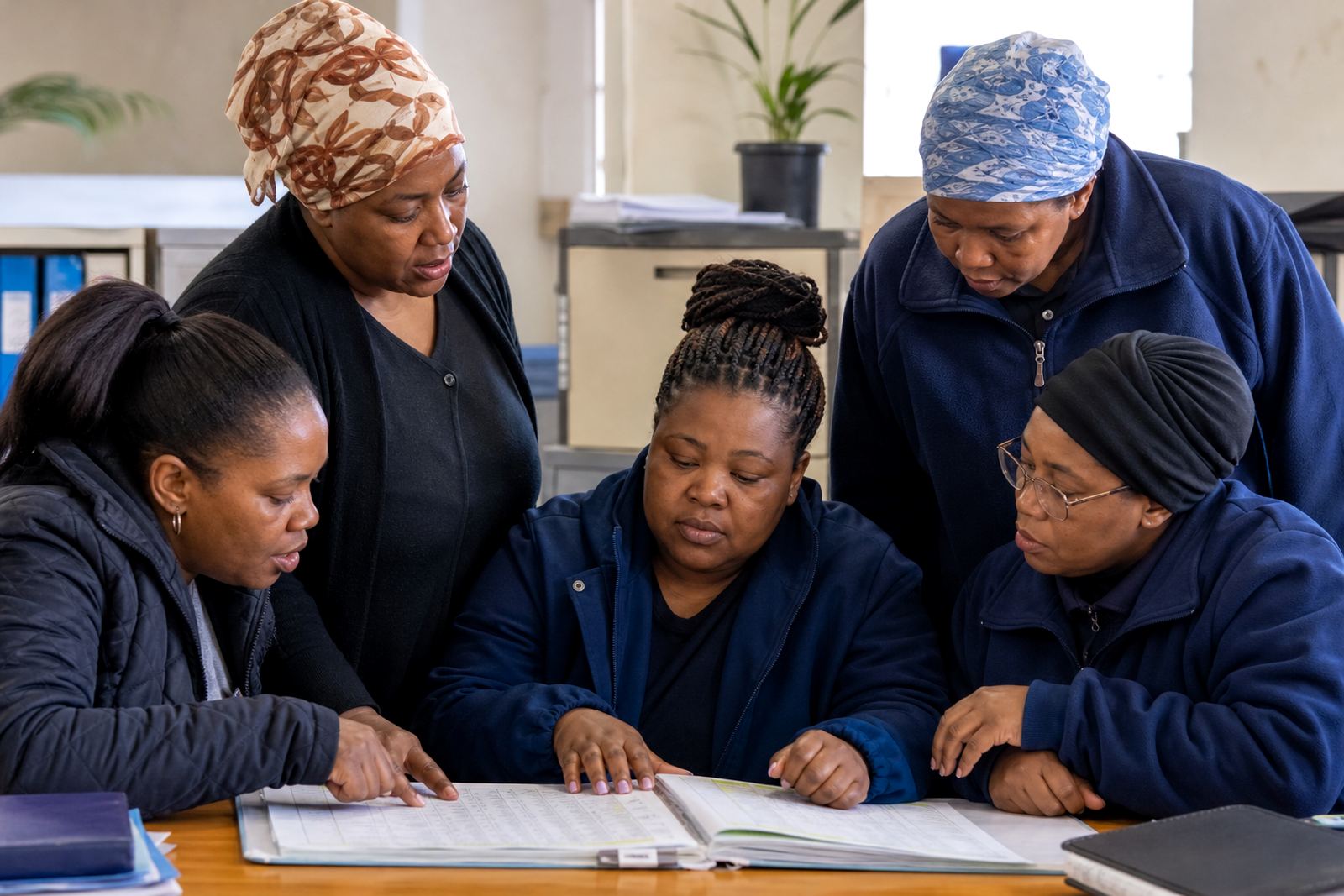
The client was a customer support team in Gqeberha working mixed shifts, with early starts, late finishes and regular handovers between teams. Their main concern was simple: people were missing updates, rosters were changing too often by phone call, and supervisors were spending too much time checking who was on duty.
The brief was to create a clearer way to manage weekly rosters, allow staff to request shift swaps in a controlled way, and keep communication in one place instead of scattered across messages and paper notes. They also wanted a structure that would help new supervisors keep the floor organised without having to chase every detail. Because the team handled live queries, they needed something practical that could be learned quickly and used under pressure.
We also had to keep the process aligned to normal South African scheduling practices, including reasonable shift planning and rest periods in line with the Basic Conditions of Employment Act. We did not give legal advice, but we did make sure the setup supported a careful, sensible approach to roster planning.
- Team type: support floor with rotating shifts
- Town: Gqeberha
- Main issues: visibility, handovers, swap control and fast messaging
- Working need: one clear place for schedules and team updates
Why the roster had become hard to manage
The team worked across multiple service blocks, with a mix of fixed shifts and rotating cover for busy periods. On some weeks the roster changed twice before Monday, and staff were only finding out about updates after they had already started travelling. That created avoidable strain, especially for people commuting from different parts of the metro.
There were a few practical constraints. Internet access on the floor was not always strong at peak times, load-shedding affected admin routines, and supervisors needed a process that would still work when the day got hectic. They also wanted to reduce confusion around shift swaps so that approvals were visible and the same request was not being handled by three different people. It was not a case of needing more features, it was a case of needing less noise.
The client asked for a setup that could support day-to-day coordination without forcing the team into a complicated admin routine. That meant clear labels, consistent shift naming, and a simple flow for updates, messages and activities. It also meant training supervisors to use the same process every time, so the staff were not getting mixed instructions from different managers.
- Constraints included load-shedding and uneven connectivity
- Shift changes had to be visible before the start of duty
- Swap requests needed one clear approval route
- Communication had to be easy for supervisors and agents alike
What we set up for the support floor
We set up account access for the leadership group and worked through the roster template first, because that was the backbone of the whole process. The roster was structured to reflect the team’s actual working pattern, including regular breaks, handover times and weekend cover. We then helped them map out shift swaps so requests could be tracked properly, instead of being handled informally in a group chat or across the floor.
After that, we supported message setup so supervisors could send updates to the right people at the right time. That included shift reminders, handover notes and simple operational notices. We also helped plan team activities in a way that fit around service levels, so engagement work did not interfere with busy periods. The aim was not to add admin, but to keep the team connected and informed.
The setup was done in stages over three weeks. Week one focused on account setup and roster structure. Week two covered messaging and swap process help. Week three was used for manager training, staff training and go live support. A few follow-up check ins were then done to make sure the team was comfortable with the new way of working.
- Week 1: account setup and roster template setup
- Week 2: message setup and swap process help
- Week 3: training, site rollout and go live support
- Follow-up: ongoing check ins after launch
How the rollout was handled on site
We started with a small group of managers and supervisors, then rolled out to the wider team once the process was clear. That approach worked well because support staff could see how the roster looked, how shift swaps were requested and how messages were issued before the full handover. It cut down on repeat questions and gave people confidence early on.
Training was practical and direct. We showed staff how to check their shifts, how to respond to messages, and how to use the activity planning side without overcomplicating things. The training sessions were kept short enough for a live floor, with time left for questions and a few test runs. There was a bit of resistance at first from people used to quick verbal updates, but once the process became familiar the team settled into it.
The client also wanted clear internal rules around approvals, so we helped align the process with their internal policy. That included who could approve swaps, what needed to be checked before a change was accepted, and how to keep a record of communication. It gave the supervisors one consistent method instead of patching together different habits from each shift lead.
What changed after the first few weeks
Within a few weeks, the team had better visibility across the roster and fewer last minute surprises. Supervisors could see who was on duty, who had requested a swap and what messages had already been sent. That mattered a lot on a busy support floor where one missed update can affect the whole shift. The team also reported fewer repeat questions during handover, because the information was easier to find and pass on.
The biggest change was not just speed, it was calm. People stopped relying on scattered messages and started using the same process each day. That made it easier to plan leave, schedule activities and prepare for busy periods. It also helped the client manage staffing more carefully around public holidays and peak call times. The result was a better informed team and less back and forth for supervisors.
- Improved schedule visibility across the floor
- Cleaner handling of shift swaps and approvals
- Better handovers between shift teams
- Less time spent chasing updates by phone or message
For a team in Gqeberha, the practical value was clear: fewer gaps, fewer crossed wires and a roster process that suited day to day operations rather than fighting against them. There is still admin involved of course, but it became manageable and far more predictable.
What we would do again for a similar team
If we were setting this up again for a similar support team, we would follow the same approach. Start with the roster structure, keep the swap process tight, train the supervisors first, then roll out to staff in stages. That sequence works because it deals with the biggest source of confusion first and gives the team a simple routine before any wider change happens.
We would also keep the messaging rules clear from the start. Staff need to know where updates live, who sends them, and what counts as an official change. Without that, even a good roster can get muddled. A clear communication process saves time, avoids duplicate requests and helps the team keep moving when the day gets busy or a shift changes at short notice.
For businesses in Gqeberha, Johannesburg, Durban, Cape Town, Pretoria or Bloemfontein, the lesson is similar: if your team depends on live coverage, roster clarity is not a nice-to-have. It is part of keeping the floor steady and making sure people know where they need to be.
Key facts
| Project type | Team communication and staff rostering support |
|---|---|
| Town | Gqeberha |
| Client type | Busy customer support team |
| Timeline | 3 weeks plus follow-up check ins |
| Main features used | Scheduling, shift swaps, messaging and team activities |
| Team size | Not disclosed |